

back lit mirrors
The significance of Granite Small Tools in Artisanal Craftsmanship Granite, a natural stone known for its durability and aesthetic appeal, has been a staple in construction and artistic endeavors since ancient times. The process of shaping and sculpting this robust material requires specialized tools, particularly the granite small tools. These diminutive yet powerful instruments play an instrumental role in transforming raw granite into intricate designs, sculptures, or functional objects. Small granite tools, often overlooked in the grand scheme of construction, are the backbone of precision work. They include chisels, hammers, rasps, grinders, and diamond-tipped drills, each with its unique purpose and application. A chisel, for instance, is used to cut and shape the granite, while a hammer provides the force needed to drive the chisel through the stone. Rasps are employed for smoothing out rough surfaces, and grinders assist in refining edges and corners. The diamond-tipped drills, on the other hand, are essential for creating precise holes in the hard granite surface. The art of working with granite is not just about brute strength; it demands finesse, patience, and an understanding of the stone's properties. The granite small tools facilitate this delicate balance, allowing artisans to bring their creative visions to life. The skilled hands that wield these tools know how to apply just the right pressure, angle, and speed to avoid cracking or damaging the stone. It's a dance of strength and subtlety, where the tool becomes an extension of the artisan's hand It's a dance of strength and subtlety, where the tool becomes an extension of the artisan's hand It's a dance of strength and subtlety, where the tool becomes an extension of the artisan's hand It's a dance of strength and subtlety, where the tool becomes an extension of the artisan's hand granite small tools . In addition to their functional importance, granite small tools hold cultural and historical significance. They symbolize the human quest for beauty and permanence, echoing the craftsmanship of our ancestors who built towering monuments and intricate sculptures using similar tools. Today, these tools are used not only in traditional stonemasonry but also in modern architecture, interior design, and even jewelry making, showcasing their versatility. Moreover, the use of granite small tools promotes sustainability. Unlike power tools, they operate manually, consuming no electricity or producing harmful emissions. This eco-friendly approach aligns with the growing demand for environmentally responsible practices in various industries. In conclusion, granite small tools are more than just implements; they are vessels of creativity, history, and sustainability. They embody the human spirit of innovation and the dedication to craft, making them indispensable in the world of granite artistry. Whether shaping a grand statue or carving a tiny piece of jewelry, these tools continue to shape our landscapes, both physical and cultural, leaving an indelible mark of human ingenuity.
about
back lit mirrors
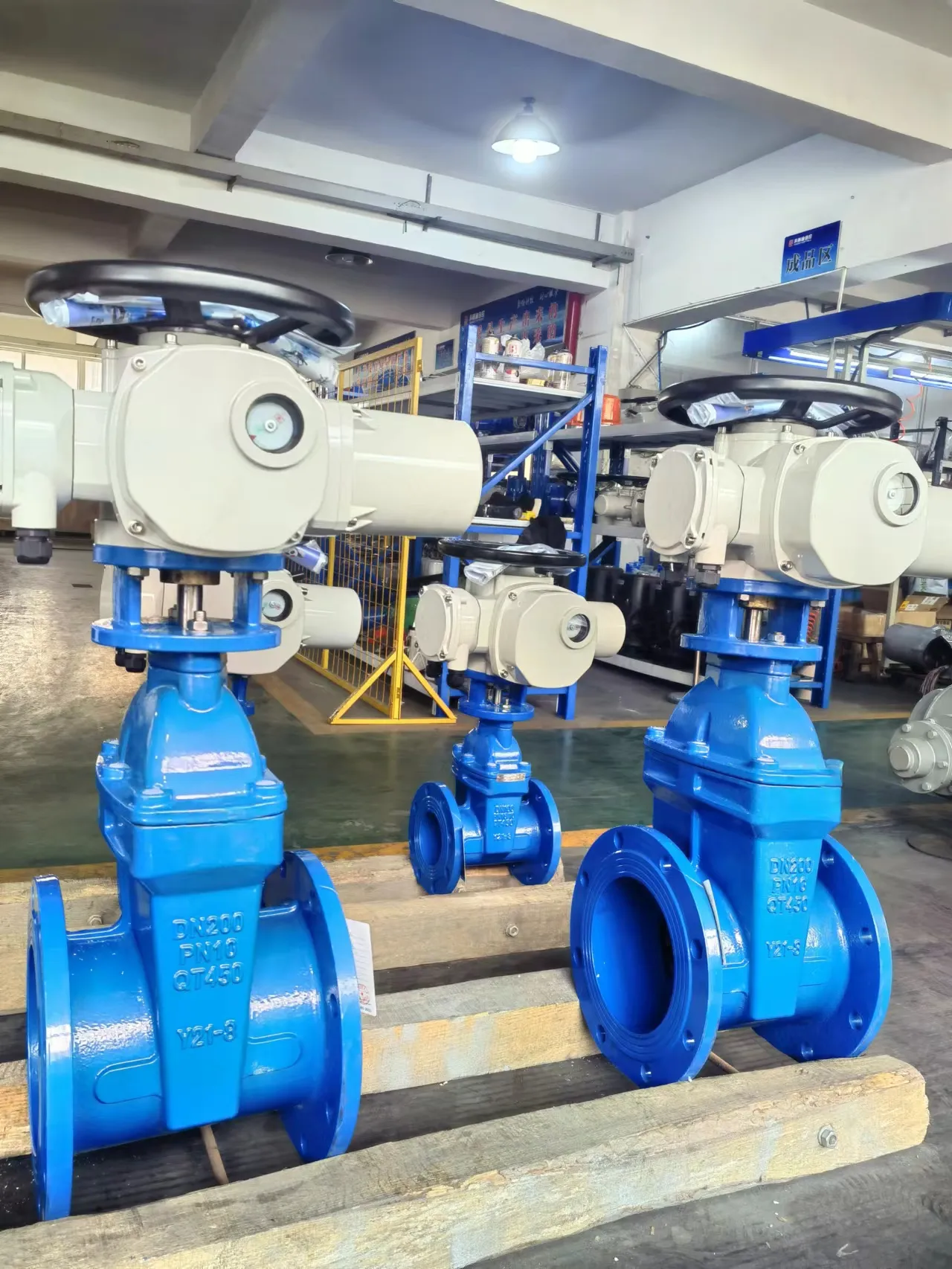
In the world of industrial machinery and fluid control, metal valves play a pivotal role in ensuring seamless operations across diverse sectors such as oil and gas, chemical processing, and manufacturing. The reliability and effectiveness of these valves can significantly influence operational efficiency and safety, making them a cornerstone in the industrial supply chain. With years of hands-on experience in the field, it’s apparent that not all metal valves are created equal—differences in materials, design, and application can substantially impact their performance. When selecting metal valves for critical operations, several factors deserve meticulous attention. Material composition is fundamental. High-quality alloys such as stainless steel, brass, and carbon steel offer distinct advantages depending on environmental conditions. For instance, stainless steel valves are noted for their corrosion resistance and strength, making them ideal for high-stress environments such as offshore oil rigs. On the other hand, brass valves provide excellent ductility and are often used in applications requiring a good seal and moderate temperature resistance. Expertise in valve design is crucial for any business seeking to optimize their operations. Advanced manufacturing techniques such as CNC machining have allowed for precise control over valve dimensions, which in turn enhances their ability to withstand high pressures and temperatures. For high-pressure applications, such as those found in chemical processing plants, precision-engineered ball valves are often recommended. These valves ensure tight shut-off capability and minimize the risk of leakage, ensuring that harmful substances are safely contained. One cannot overlook the authoritative benchmarks set by established industry standards such as API, ANSI, and ISO. These standards provide guidelines ensuring that metal valves meet requisite safety and performance criteria. Valves certified under these standards bring an added layer of trustworthiness, signaling to users that they can withstand rigorous operational demands. A thorough understanding of these certifications is beneficial for engineers and procurement specialists aiming to integrate metal valves into their systems reliably. metalvalves The trustworthiness of a valve supplier also cannot be overstated . Collaborating with manufacturers who have a proven track record in delivering high-quality metal valves can make a significant difference. It is advisable to evaluate suppliers based on their history of delivering on-time solutions, post-sales support capability, and customer testimonials. This kind of diligence can uncover manufacturers genuinely invested in supporting the long-term success of their clients. From a practical standpoint, real-world application and testing provide the final validation of a metal valve’s adequacy for specific tasks. Encouraging case studies from various sectors demonstrate the wide-ranging applicability of these valves. For instance, in the food and beverage industry, metal valves ensure the safe transfer of liquids in processing plants, reaffirming their versatility and importance. In navigating the complex landscape of metal valves, businesses are best served by relying on a combination of empirical experience and authoritative guidance. Leveraging expert knowledge not only enhances operational reliability but also mitigates risks associated with valve malfunctions. Ultimately, choosing the right metal valve—crafted with precision, certified for quality, and backed by reputable expertise—can significantly contribute to operational excellence and safety.
-

High quality industrial productsagement

High quality industrial products
View Details -

Meet the diverse needs of customers

Meet the diverse needs of customers
View Details -

Strict quality control

Strict quality control
View Details -

Top raw materials

Top raw materials
View Details -

Trusted supplier

Trusted supplier
View Details
Our application

news and information
Vanne d'arrêt de 4 pouces
Vanne à Globe de 4 Pouces Caractéristiques et Applications Les vannes à globe sont des éléments ess
V Block Design - Innovative Modular Solutions for Modern Spaces
Understanding V-Block Design in Modern Engineering V-Block design is a pivotal concept in modern eng
Water Pressure Valves - Optimize Your Water System Efficiency
Understanding Water Pressure Valves An Essential Component for Efficient Water Management Water pres
 English